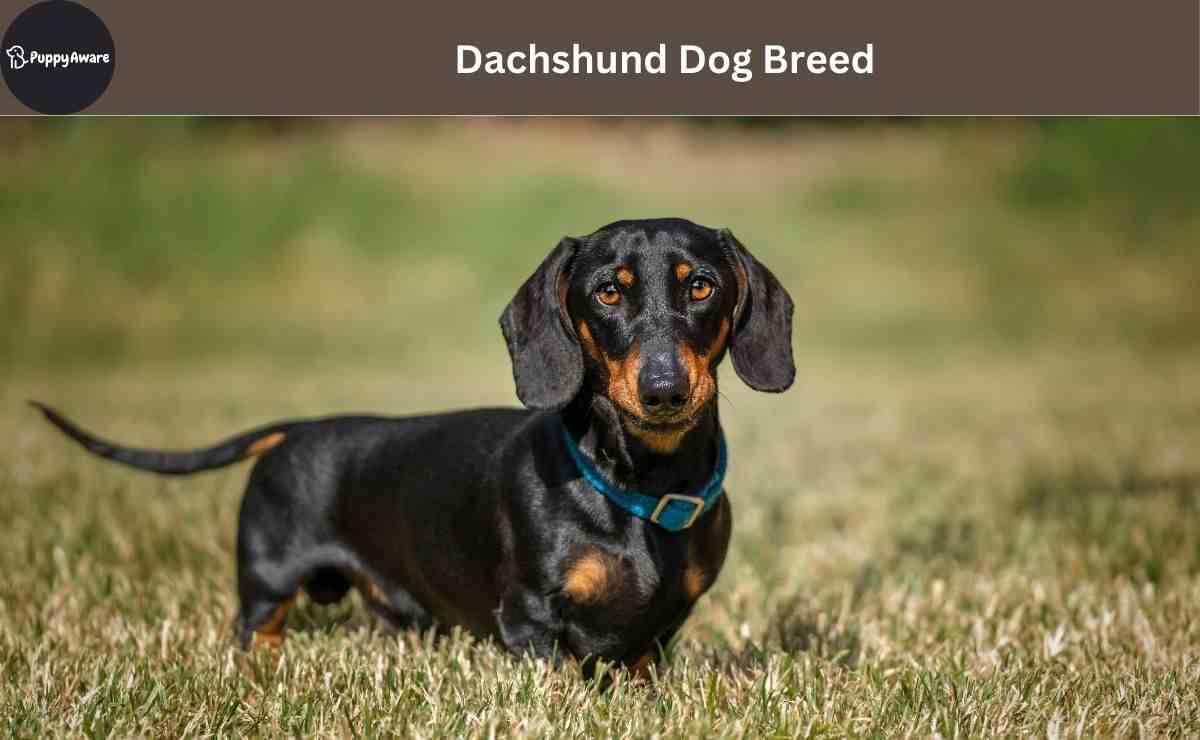
The Dachshund, affectionately known as the “wiener dog,” “sausage dog,” or “doxie,” represents one of the most distinctive and beloved dog breeds in the world. With their elongated bodies, short legs, and larger-than-life personalities, these remarkable hounds have captured hearts globally for over six centuries.
This comprehensive guide addresses every aspect of Dachshund ownership, from their fascinating historical origins to modern care requirements, training challenges, and health considerations.
Dachshund Dog Breed Guide

Originally bred in 15th century Germany to hunt badgers, their name literally translates to “badger dog” in German, reflecting their fearless hunting heritage that continues to influence their temperament today.
Whether you’re considering adding a Dachshund to your family or seeking to better understand your current companion, this guide provides the depth and practical insights often missing from surface-level breed information.
Historical Origins and Development
The Birth of a Badger Hunter
The Dachshund’s story begins in the dense forests of medieval Germany, where hunters needed a specialized dog capable of pursuing badgers into their underground burrows. The breed development started in the 15th century, with serious breeding efforts gaining momentum in the 1600s. Unlike many breeds that evolved naturally, Dachshunds were deliberately engineered for a specific and dangerous job.
Early German hunters faced a unique challenge: badgers are formidable opponents, weighing up to 35 pounds and equipped with powerful claws and teeth. Traditional hunting dogs were too large to follow badgers underground and often lacked the tenacity to face such aggressive prey in confined spaces. The solution was to create a dog with the perfect combination of size, courage, and determination.
Selective Breeding for Purpose
The original Dachshund breeding program was remarkably sophisticated for its time. Breeders incorporated genetics from basset hounds, bloodhounds, and pointers to enhance scenting ability, while maintaining the compact size necessary for underground work.
The iconic elongated body wasn’t just for appearance—it provided the flexibility needed to navigate narrow burrows while maintaining enough chest capacity for the stamina required during extended underground pursuits.
Key Breeding Objectives:
- Scenting ability: Superior nose work for tracking prey
- Physical courage: Willingness to face dangerous quarry
- Compact size: Ability to fit in badger burrows
- Vocal communication: Clear barking to alert hunters above ground
- Physical durability: Withstanding underground combat
Evolution Through the Centuries
The breed’s development continued to evolve based on hunting needs:
16th-17th Century: Standard-sized Dachshunds dominated, primarily used for badger hunting
18th Century: Larger specimens were developed for wild boar hunting
19th Century: Miniature varieties were created for rabbit hunting, with rough-coated terriers added to the breeding pool, giving rise to wirehaired Dachshunds
Global Recognition and Modern Development
Dachshunds were first recognized by the American Kennel Club (AKC) in 1885, but their popularity in America fluctuated dramatically due to historical events. During World War I, Doxies were used in German propaganda, causing the AKC to temporarily rebrand them as “Badger Dogs” or “Liberty Pups” in the U.S.
Despite these challenges, the breed’s charm proved irresistible. By the 1950s, Dachshunds’ temperament and unique shape recaptured American hearts, and they have maintained consistent popularity ever since.
Physical Characteristics and Breed Standards

Size Classifications and Measurements
Understanding Dachshund size classifications is crucial for potential owners, as each variety has distinct characteristics and care requirements.
| Size Category | Weight Range | Height at Shoulder | Length | Primary Use |
|---|---|---|---|---|
| Miniature | Under 11 lbs (5 kg) | 5-6 inches | 18-20 inches | Rabbit hunting, companionship |
| Standard | 16-32 lbs (7-15 kg) | 8-9 inches | 21.5-25 inches | Badger hunting, versatile hunting |
| Kaninchen | Under 8 lbs (3.5 kg) | Under 5 inches | 16-18 inches | Rabbit hunting (European standard) |
Coat Varieties and Characteristics
Dachshunds come in three distinct coat types, each requiring different care approaches and having unique origins:
Smooth Coat (Original)
- Characteristics: Short, dense, glossy coat lying flat against the body
- Maintenance: Minimal grooming required
- Origin: The original coat type from early German breeding
- Texture: Smooth to the touch with natural shine
Longhaired
- Characteristics: Soft, flowing coat with feathering on ears, legs, and tail
- Maintenance: Regular brushing required to prevent matting
- Origin: Developed through crosses with spaniel-type dogs
- Texture: Silky and elegant, longer on chest and underside
Wirehaired
- Characteristics: Rough, coarse outer coat with softer undercoat
- Maintenance: Requires periodic hand-stripping or plucking to maintain texture
- Origin: Created in the 19th century by adding rough-coated terriers to the breeding program
- Texture: Weather-resistant and functional for outdoor work
Color Patterns and Genetics
The Dachshund’s color variety is among the most extensive in the dog world, with patterns ranging from solid colors to complex multi-colored designs.
Solid Colors:
- Red (most common)
- Cream
- Black (rare as solid color)
Two-Color Patterns:
- Black and tan
- Chocolate and tan
- Blue (dilute black) and tan
- Isabella (dilute chocolate) and tan
Pattern Variations:
- Dapple: Merle pattern with lighter areas on darker base color
- Double Dapple: Dapple pattern plus white markings (associated with health risks)
- Brindle: Dark stripes over lighter base
- Sable: Black-tipped hairs over lighter base
Important Genetic Consideration: Double dapple breeding should be avoided as it can result in vision and hearing impairments in offspring.
Distinctive Physical Features
Beyond their famous silhouette, Dachshunds possess several breed-specific characteristics that reflect their hunting heritage:
Head and Expression
- Elongated but proportional head with alert, intelligent expression
- Dark, almond-shaped eyes that convey emotions from playful to determined
- Long, floppy ears that frame their face
- Well-developed nose reflecting their scent-hound heritage
Body Structure
- Deep chest extending below elbows, providing ample room for heart and lungs essential for hunting stamina
- Muscular hindquarters for powerful propulsion
- Tail extending straight from spine, historically used as a “handle” to pull dogs from burrows
- Compact, well-arched feet with strong nails for digging
Temperament and Personality Traits

Dachshunds possess one of the most fascinating and complex temperaments in the canine world. Their personality is a unique blend of contradictions: they’re simultaneously brave yet cautious, independent yet affectionate, playful yet serious about their perceived duties.
Understanding these traits is essential for successful ownership and explains why many behavioral challenges arise when owners underestimate their intelligence and hunting instincts.
Core Personality Characteristics
Courage and Confidence Despite their small stature, Dachshunds possess remarkable bravery that can border on recklessness. This fearlessness, bred for confronting badgers in underground burrows, manifests in modern pets as:
- Willingness to challenge much larger dogs
- Protective behavior toward their family and territory
- Lack of awareness of their physical limitations
- Bold exploration of new environments
Intelligence and Independence Dachshunds rank among the more intelligent breeds, but their intelligence comes with a strong independent streak:
- Problem-solving ability: Excellent at figuring out how to get what they want
- Selective hearing: They understand commands but choose when to obey
- Memory retention: Remember both positive and negative experiences long-term
- Strategic thinking: Plan their approach to achieve desired outcomes
Loyalty and Attachment Patterns Dachshunds are famous for forming intense bonds, often becoming “velcro dogs” with their chosen person:
- Single-person preference: Often select one family member as their primary human
- Separation sensitivity: Can develop anxiety when away from their preferred person
- Protective instincts: Alert and sometimes overprotective of their family
- Social hierarchy awareness: Understand and respect family pack structure
Breed-Specific Behavioral Traits
Understanding why Dachshunds behave as they do requires recognizing their genetic programming as both scent hounds and terrier-influenced hunters.
Scent Hound Characteristics:
- Social and emotional: Enjoy interaction but can be dramatic in responses
- Vocal communication: Natural tendency to “sing” and bay
- Following instincts: Tendency to follow interesting scents regardless of commands
- Pack mentality: Generally good with other dogs when properly socialized
Terrier Influences:
- High prey drive: Instinctive chase response to small animals
- Digging compulsion: Natural excavation behaviors
- Territorial behaviors: Marking and guarding tendencies
- Persistence: Unwillingness to give up once focused on a goal
Social Compatibility and Family Dynamics
With Children Dachshunds can be excellent family dogs when properly matched and trained:
- Best with older children (8+ years) who understand gentle handling
- Require supervision with toddlers due to back injury risks from improper handling
- Natural playmates for children who respect their boundaries
- Teaching opportunities for children to learn responsible pet care
With Other Pets Integration success depends heavily on socialization timing and individual personality:
- Other dogs: Generally social but may show same-sex aggression
- Cats: Can coexist peacefully if introduced properly, though chase instincts may persist
- Small pets: High prey drive makes them unsuitable with rabbits, hamsters, or birds
- Multiple Dachshunds: Often thrive in Dachshund-specific households
Regional and Bloodline Variations
European vs. American Lines European Dachshunds often retain more working characteristics:
- Higher drive levels: More intense hunting instincts
- Physical differences: Slightly different proportions and movement
- Temperament intensity: More focused and driven personalities
Show vs. Working Lines
- Show lines: Generally calmer, more adaptable to family life
- Working lines: Higher energy, stronger prey drive, more independent
- Field trial lines: Maximum drive and intensity, requiring experienced handlers
Common Behavioral Challenges and Solutions
Most Dachshund behavioral issues stem from unmet needs related to their breeding purpose rather than defiance or dominance. Recognizing these underlying motivations is crucial for effective management.
Excessive Barking
- Cause: Alert barking is genetically programmed; boredom and anxiety amplify it
- Management: Provide mental stimulation, teach “quiet” commands, address underlying anxiety
- Timeline: Improvement typically seen in 4-6 weeks with consistent training
Separation Anxiety
- Prevalence: Affects approximately 30% of Dachshunds
- Symptoms: Destructive behavior, excessive vocalization, elimination indoors
- Prevention: Gradual conditioning from puppyhood, independence training
- Treatment: Desensitization protocols, environmental management, possible medication
Stubbornness in Training
- Reality check: Not actually stubborn—highly intelligent and selectively responsive
- Solution approach: Motivation-based training using high-value rewards
- Key insight: They need to see personal benefit in following commands
Reactivity and Leash Issues
- Triggers: Overprotectiveness, insufficient socialization, excitement
- Management: Controlled exposure, counter-conditioning, proper equipment
- Equipment recommendation: Always use harnesses rather than collars to protect the neck and spine
Behavioral Problem Prevention and Management
Separation Anxiety Prevention Prevention is far more effective than treatment for separation anxiety.
Puppy Prevention Protocol:
- Independence training: Daily alone time starting at 8 weeks
- Variable departures: Different routines prevent anxiety triggers
- Enrichment: Puzzle toys and long-lasting chews during alone time
- Gradual increases: Slowly extend alone time as tolerance builds
Resource Guarding Prevention Dachshunds can develop resource guarding due to their territorial nature and food motivation.
Prevention Strategies:
- Hand feeding: Builds positive associations with human hands near food
- Trading games: Teach “drop it” and “give” with immediate replacement rewards
- Multiple resource locations: Prevent competition in multi-dog households
- Respect boundaries: Don’t force interactions with valued items
Training and Behavior Management

Training a Dachshund requires understanding their unique cognitive profile: they’re highly intelligent problem-solvers with strong opinions about when and how to cooperate.
Traditional dominance-based training methods are particularly ineffective with this breed, as they can trigger their natural stubbornness and independent streak. Success comes from working with their intelligence rather than against their nature.
Foundation Training Essentials
House Training: The Dachshund Challenge House training represents one of the most common Dachshund training difficulties, particularly for dogs from puppy mills or pet stores where they were forced to eliminate in their living spaces.
Accelerated House Training Protocol:
- Intensive supervision: Never allow unsupervised access to the house until fully trained
- Frequent opportunities: Every 1-2 hours for puppies, immediately after eating, sleeping, or playing
- Consistent location: Same door, same area, same command word
- High-value rewards: Special treats reserved only for outdoor elimination
- Clean accidents thoroughly: Use enzymatic cleaners to eliminate odor markers
- Timeline expectation: 4-6 months for complete reliability in most dogs
Crate Training Fundamentals Crate training is essential for Dachshunds due to their tendency toward separation anxiety and destructive behaviors when unsupervised.
Progressive Crate Training Schedule:
- Week 1: Meals in crate with door open, positive associations only
- Week 2: Short periods (5-10 minutes) with door closed while home
- Week 3: Extended periods (30-60 minutes) with departure practice
- Week 4: Full day periods when necessary, overnight sleeping
Specialized Training Approaches
Motivation-Based Training Methods Dachshunds respond best to training that recognizes their intelligence and provides clear benefits for cooperation.
High-Value Reward Hierarchy:
- Primary reinforcers: Food, particularly high-protein treats like freeze-dried liver
- Social reinforcers: Praise, petting, play interactions
- Environmental reinforcers: Access to favorite locations, sniffing opportunities
- Life rewards: Walks, meals, attention on their terms
Addressing Selective Hearing The “selective hearing” phenomenon in Dachshunds isn’t defiance—it’s cost-benefit analysis. They’re evaluating whether compliance serves their interests.
Strategies for Reliability:
- Variable reward schedules: Unpredictable reinforcement increases response reliability
- Environmental management: Remove competing motivations during training
- Impulse control exercises: “Wait,” “leave it,” and “settle” commands build self-control
- Relationship building: Strong bonds increase willingness to cooperate
Nutrition and Feeding Guidelines
Proper nutrition is crucial for Dachshund health, particularly for maintaining ideal weight and supporting spinal health. Their unique body structure and predisposition to weight gain requires careful dietary management throughout their lives.
Life Stage Nutrition Protocols
Puppy Nutrition (8 weeks – 12 months) Growing Dachshunds require careful nutritional balance to support healthy development without encouraging rapid growth that could stress developing joints.
Key Requirements:
- Protein content: Minimum 22% for proper muscle development
- Fat content: 12-15% for energy and coat health
- Calcium/phosphorus ratio: 1.2:1 to 1.4:1 for proper bone development
- Feeding frequency: 3-4 meals daily until 6 months, then 2 meals daily
- Portion control: Follow manufacturer guidelines but adjust based on body condition
Adult Nutrition (1-7 years) Adult Dachshunds need maintenance nutrition focused on weight management and overall health.
Nutritional Targets:
- Protein: 18-25% for muscle maintenance
- Fat: 8-12% for weight management
- Fiber: 3-5% for digestive health and satiety
- Feeding schedule: 2 meals daily, measured portions
Senior Nutrition (7+ years) Older Dachshunds may require modified nutrition to address age-related changes and health conditions.
Special Considerations:
- Enhanced protein: 20-25% to combat muscle loss
- Joint support: Glucosamine, chondroitin, omega-3 fatty acids
- Antioxidants: Vitamin E, vitamin C, selenium for cognitive health
- Digestibility: Easily digestible proteins and carbohydrates
- Kidney support: Moderate protein levels if kidney function is compromised
Grooming and Care Requirements
Each Dachshund coat type requires distinct grooming approaches that go far beyond basic brushing. Understanding these needs prevents matting, maintains coat health, and provides opportunities for bonding and health monitoring.
Daily Care Routine:
- Brushing frequency: Weekly with rubber grooming mitt or soft bristle brush
- Bathing schedule: Every 8-12 weeks or as needed
- Special considerations: Check belly for debris due to low ground clearance
- Seasonal shedding: Increased brushing during spring and fall shed cycles
Professional Grooming Needs:
- Nail trimming: Every 3-4 weeks (Dachshund nails grow rapidly)
- Ear cleaning: Weekly inspection, cleaning as needed
- Dental care: Daily brushing or dental chews (breed prone to tartar buildup)
Professional Grooming Schedule:
- Full grooming: Every 6-8 weeks including sanitary trim and foot hair trimming
- Trimming needs: Light trimming of feathering to prevent matting and debris collection
- Seasonal considerations: May need more frequent grooming during muddy seasons
Seasonal Care Considerations
Summer Management:
- Heat protection: Limit exercise during peak temperatures due to ground proximity
- Parasite prevention: Increased flea/tick checks and prevention
- Hydration monitoring: Ensure adequate water access during outdoor activities
- Belly protection: Check for scratches from vegetation and hot pavement burns
Winter Care:
- Coat considerations: Smooth and some longhaired Dachshunds may need sweaters
- Paw protection: Salt and ice protection, post-walk paw cleaning
- Indoor humidity: Prevent dry skin with appropriate humidity levels
- Exercise modification: Shorter, more frequent walks in extreme cold
Choosing and Living with a Dachshund
Selecting a Dachshund requires honest assessment of your lifestyle, experience level, and long-term commitment to their unique needs.
Lifestyle Compatibility Assessment
Ideal Dachshund Households:
- Active individuals/families: Willing to provide daily structured exercise
- Patient trainers: Understanding of breed-specific training challenges
- Health-conscious owners: Committed to weight management and preventive care
- Home characteristics: Ability to make environmental modifications for safety
Potential Challenges for:
- First-time dog owners: Complex training and behavioral management needs
- Extremely busy lifestyles: Separation anxiety tendencies require attention
- Apartment living without yard access: High exercise and mental stimulation needs
- Households with very young children: Back injury risks from improper handling
Breeder Selection Criteria
Red Flags to Avoid:
- Multiple litters available year-round: Suggests commercial breeding operation
- No health testing documentation: Lack of genetic screening and health clearances
- Unwillingness to meet parent dogs: Hiding temperament or health issues
- No health guarantee: Reputable breeders stand behind their puppies
- Selling before 8 weeks: Puppies need full socialization period with littermates
Quality Breeder Indicators:
- Health testing transparency: Provides OFA/CERF clearances and genetic test results
- Breeding purpose clarity: Can explain why specific breeding was planned
- Lifetime support: Offers ongoing advice and will take dog back if needed
- Socialization evidence: Puppies exposed to various stimuli and experiences
- Contract provisions: Health guarantees, spay/neuter requirements, breeding restrictions
Conclusion
The Dachshund represents one of the most rewarding yet demanding companion small dog breeds available today. Their intelligence, loyalty, and distinctive personality create incredibly strong bonds with dedicated owners, but their complex needs require informed, committed guardianship.
Your journey with a Dachshund will be filled with laughter, learning and the deep satisfaction that comes from understanding and meeting the needs of one of the most fascinating breeds in the canine kingdom.